Corn, beans, and squash have been grown together by many Native nations across North America for centuries. The name “Three Sisters” comes from Haudenosaunee (Iroquois) tradition. Each plant helps the others: tall corn gives the beans a pole to climb, beans add nutrients to the soil, and wide squash leaves shade the ground to hold in water and keep weeds down. The pack opens with a short “Meet the Three Sisters” panel, and every problem is set in a class garden.
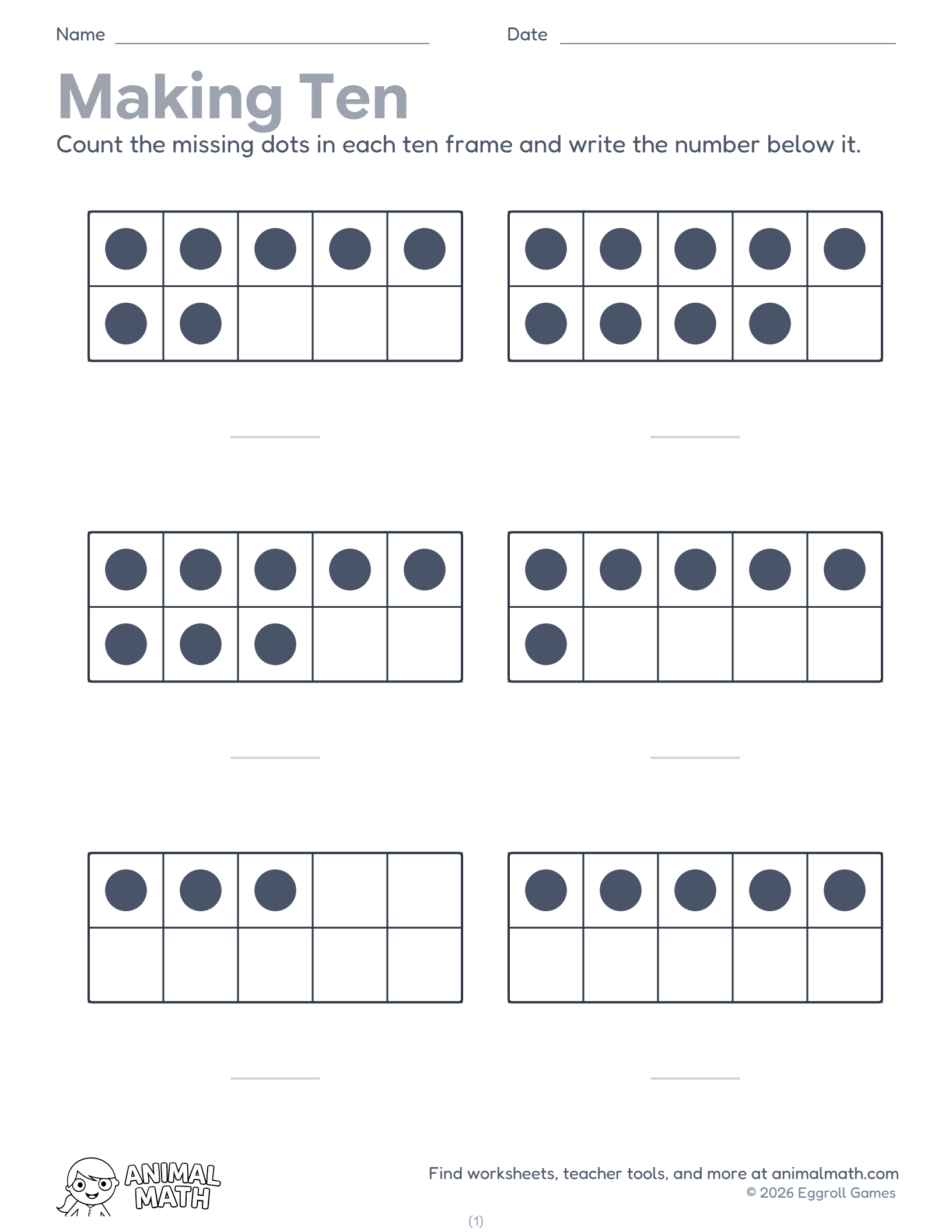
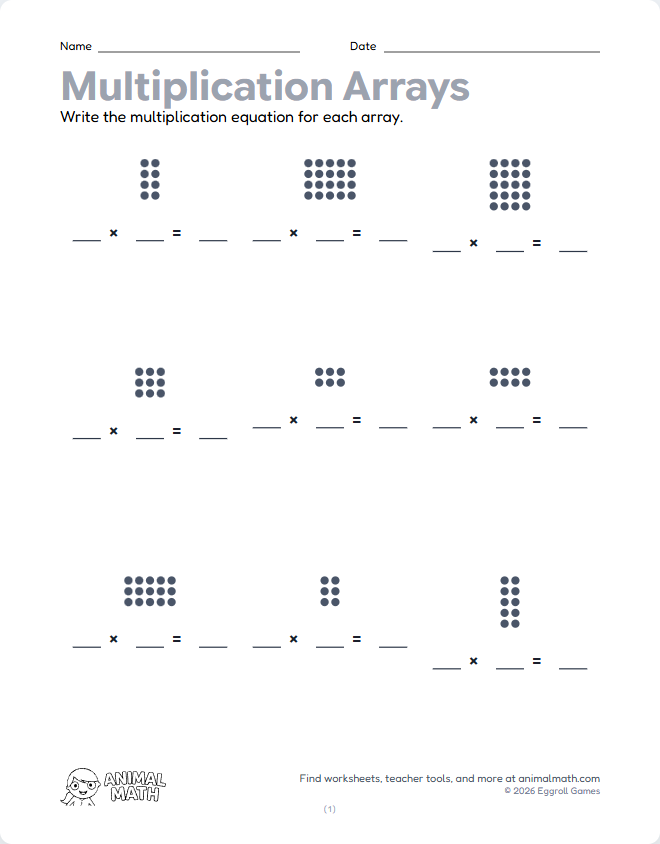
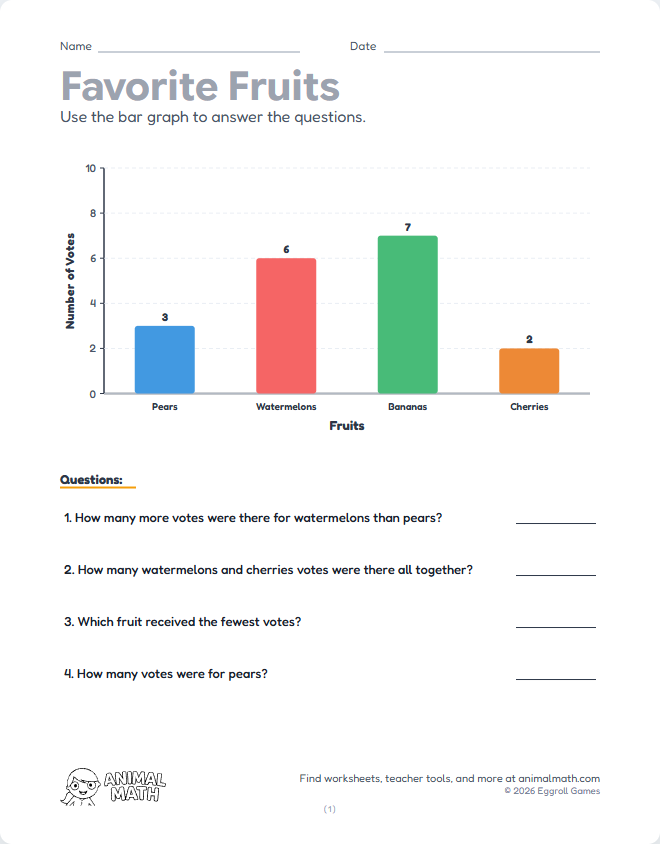
Six worksheets that build from counting to problem solving, all set in a Three Sisters garden. Start with seeds in ten frames, make ten to add, count rows of corn and squash, graph a harvest, plant equal groups of seeds, and finish with garden word problems. Each worksheet has its own answer key at the back of the pack.
Pair the pack with a fall, harvest, or plant unit, or with Native American Heritage Month in November. Read the “Meet the Three Sisters” panel together, then use the pages as math centers or a week of warm-ups. The harvest graph works well as a whole-class discussion: which crop did the garden grow the most of, and how do you know?
Do one page a day. If your family has dried beans or popcorn kernels, use them as counters for the ten frame and equal-groups pages. The pictures are black-and-white line art, so kids can color each page when they finish.
This pack supports the following Common Core State Standards for Mathematics:
A 6-page math pack built around the Three Sisters: corn, beans, and squash grown together. Count seeds in ten frames, make ten to add, build arrays, graph a harvest, draw equal groups, and solve garden word problems. Answer keys included.