Wild rice, manoomin in Ojibwe, grows in shallow lakes and rivers of the Great Lakes region, and it is at the heart of Anishinaabe (Ojibwe) life. Each year in late August and September, ricers go out in pairs: one stands and pushes the canoe through the rice beds with a long forked pole, and the other sits and gently brushes the ripe grain into the canoe with two light cedar sticks called knockers. The green rice is then finished by hand: dried, parched over a fire, danced on to loosen the hulls, and winnowed in a birchbark tray so the wind blows the chaff away. A good day can bring in 100 pounds or more, and 100 pounds of green rice make about 35 to 50 pounds of finished rice. The figures on these pages come from the 1854 Treaty Authority and Wisconsin Wetlands Association.
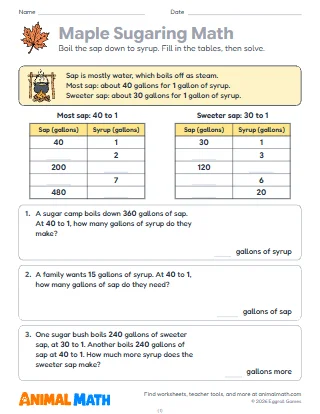
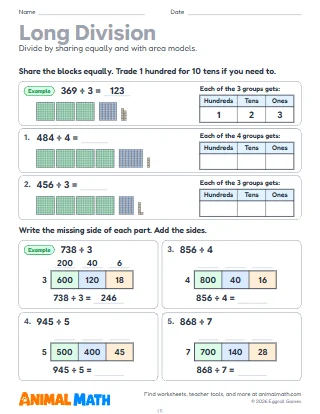
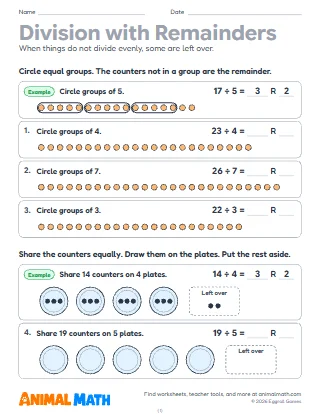
Five pages of 4th grade math from the rice beds, each starting with a short panel that gives the facts it needs. Page 1 fills in a table of canoes and pounds, then three stories. Page 2 changes green rice to finished rice at about 4 pounds for every 10, then four stories about finishing. Page 3 reads a bar graph of a week of harvest into a table and answers three questions. Page 4 changes pounds to ounces. Page 5 has six stories with remainders, where students decide whether to round up, leave the remainder or say what is left over. The first row or story of each page is a worked example where it helps.
Read each panel together first. On page 2, talk about why rice weighs less once it is finished: the water dries out and the hulls are winnowed away. On page 5, ask students to say what the remainder means before they write an answer.
If you have wild rice at home, read the label together: is it hand-finished lake rice or paddy rice? Weigh a cup of it and work out how many cups are in a pound.
This pack supports the following Common Core State Standards for Mathematics:
© Copyright 2010. National Governors Association Center for Best Practices and Council of Chief State School Officers. All rights reserved.
Word problems, tables and a graph from the late summer wild rice harvest, when Anishinaabe ricers gather manoomin by canoe and finish it by hand. Students multiply and divide pounds of rice, change green rice to finished rice, read a week of harvest, change pounds to ounces and decide what a remainder means.
Tell us what to make next, or build your own with a worksheet maker.
This worksheet is free to download, print, copy, and hand out in your classroom or at home. You do not need to create an account, and there are no watermarks on the PDF.