A full year of 2nd grade math in 13 units and 128 lessons, free to print. Every lesson has a one-page lesson plan (how to teach it, the words to use, the mistakes to watch for) and an exit ticket, and every unit has a pre-check, a review and a test in two forms. Each lesson plan points to the worksheets, worksheet makers, teaching tools and quizzes that practice it. The plan below counts one lesson a day, with a day for the pre-check, the review and the test of each unit: 167 days, which leaves room in a 180-day year for catching up, holidays and seasonal packs.
13 units128 lessons167 days34 weeks
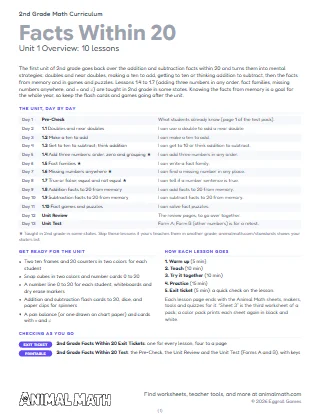
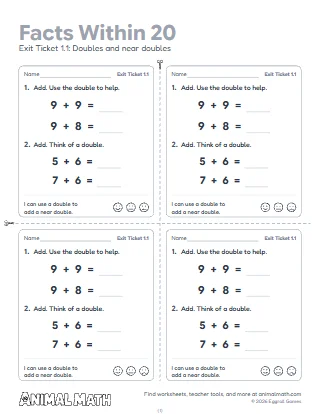
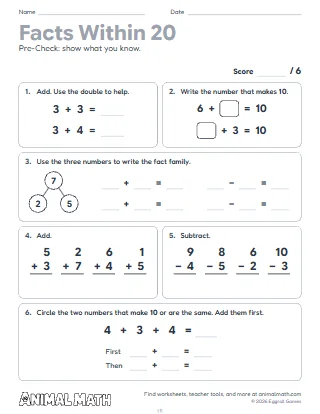
The first unit of 2nd grade goes back over the addition and subtraction facts within 20 and turns them into mental strategies: doubles and near doubles, making a ten to add, getting to ten or thinking addition to subtract, then the facts from memory and in games and puzzles. Lessons 1.4 to 1.7 (adding three numbers in any order, fact families, missing numbers anywhere, and = and ≠) are taught in 2nd grade in some states. Knowing the facts from memory is a goal for the whole year, so keep the flash cards and games going after the unit.
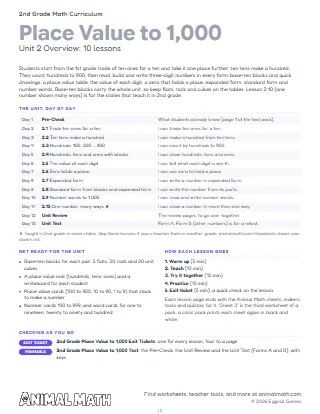
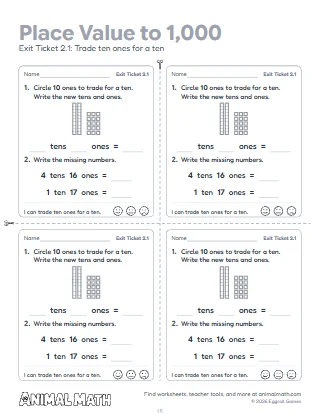
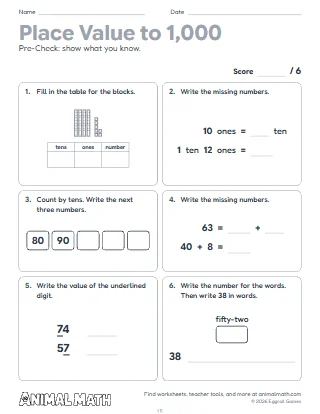
Students start from the 1st grade trade of ten ones for a ten and take it one place further: ten tens make a hundred. They count hundreds to 900, then read, build and write three-digit numbers in every form: base-ten blocks and quick drawings, a place value table, the value of each digit, a zero that holds a place, expanded form, standard form and number words. Base-ten blocks carry the whole unit, so keep flats, rods and cubes on the tables. Lesson 2.10 (one number shown many ways) is for the states that teach it in 2nd grade.
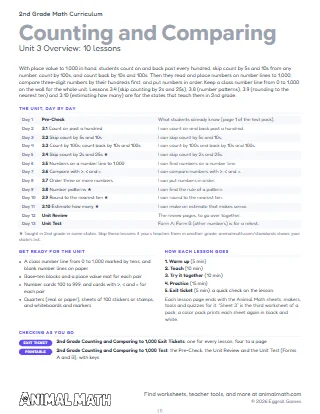
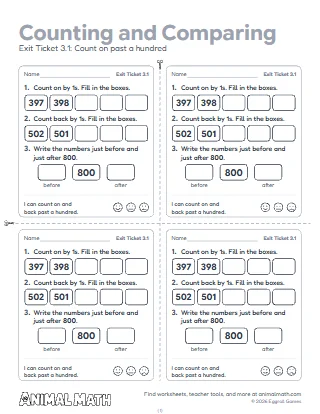
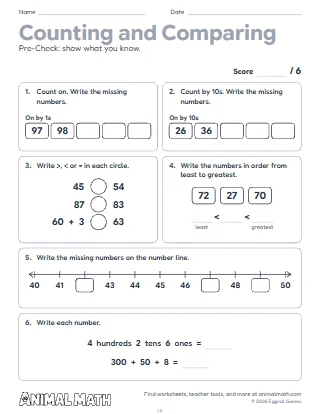
With place value to 1,000 in hand, students count on and back past every hundred, skip count by 5s and 10s from any number, count by 100s, and count back by 10s and 100s. Then they read and place numbers on number lines to 1,000, compare three-digit numbers by their hundreds first, and put numbers in order. Keep a class number line from 0 to 1,000 on the wall for the whole unit. Lessons 3.4 (skip counting by 2s and 25s), 3.8 (number patterns), 3.9 (rounding to the nearest ten) and 3.10 (estimating how many) are for the states that teach them in 2nd grade.
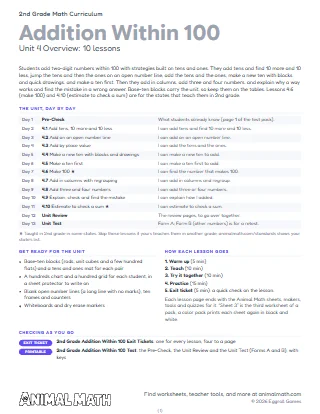
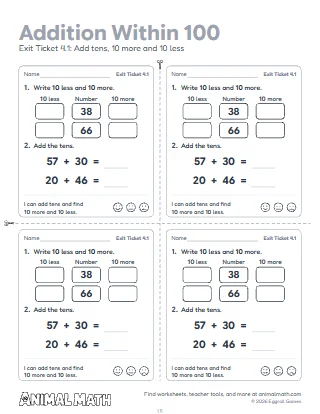
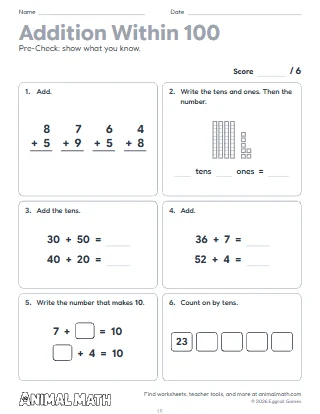
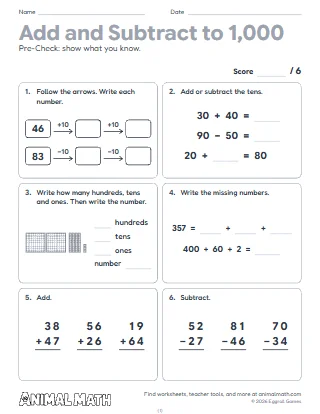
Students add two-digit numbers within 100 with strategies built on tens and ones. They add tens and find 10 more and 10 less, jump the tens and then the ones on an open number line, add the tens and the ones, make a new ten with blocks and quick drawings, and make a ten first. Then they add in columns, add three and four numbers, and explain why a way works and find the mistake in a wrong answer. Base-ten blocks carry the unit, so keep them on the tables. Lessons 4.6 (make 100) and 4.10 (estimate to check a sum) are for the states that teach them in 2nd grade.
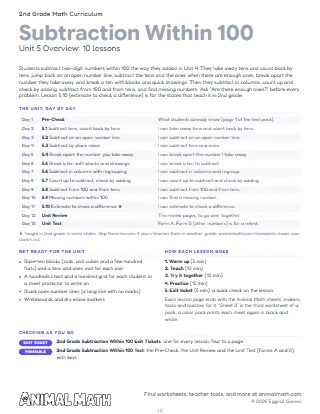
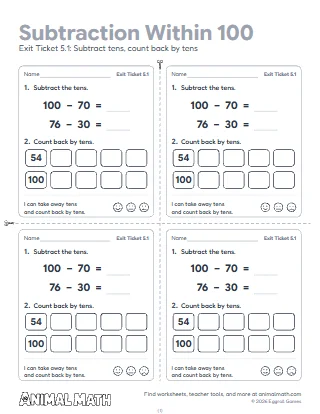
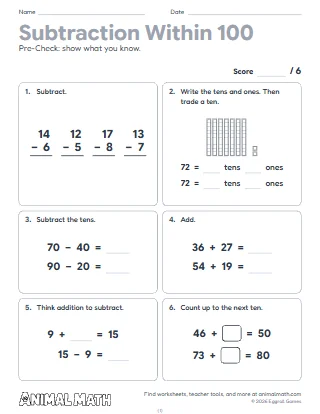
Students subtract two-digit numbers within 100 the way they added in Unit 4. They take away tens and count back by tens, jump back on an open number line, subtract the tens and the ones when there are enough ones, break apart the number they take away, and break a ten with blocks and quick drawings. Then they subtract in columns, count up and check by adding, subtract from 100 and from tens, and find missing numbers. Ask “Are there enough ones?” before every problem. Lesson 5.10 (estimate to check a difference) is for the states that teach it in 2nd grade.
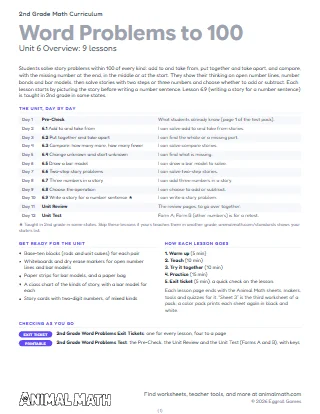
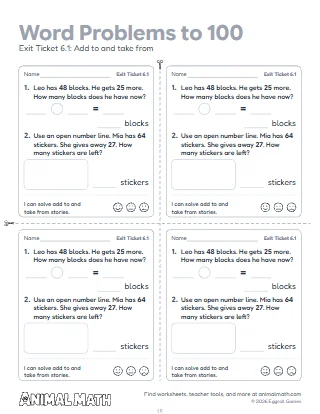
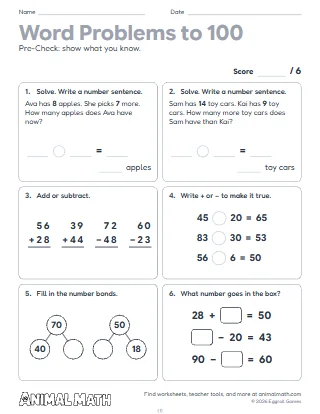
Students solve story problems within 100 of every kind: add to and take from, put together and take apart, and compare, with the missing number at the end, in the middle or at the start. They show their thinking on open number lines, number bonds and bar models, then solve stories with two steps or three numbers and choose whether to add or subtract. Each lesson starts by picturing the story before writing a number sentence. Lesson 6.9 (writing a story for a number sentence) is taught in 2nd grade in some states.
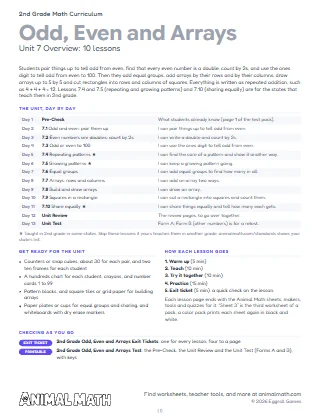
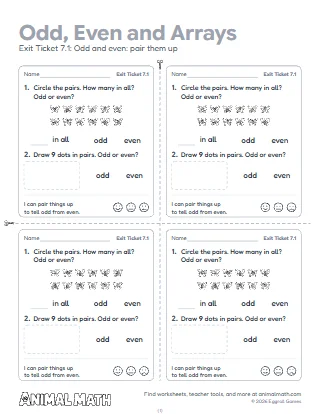
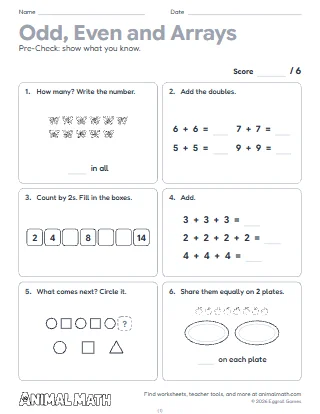
Students pair things up to tell odd from even, find that every even number is a double, count by 2s, and use the ones digit to tell odd from even to 100. Then they add equal groups, add arrays by their rows and by their columns, draw arrays up to 5 by 5 and cut rectangles into rows and columns of squares. Everything is written as repeated addition, such as 4 + 4 + 4 = 12. Lessons 7.4 and 7.5 (repeating and growing patterns) and 7.10 (sharing equally) are for the states that teach them in 2nd grade.
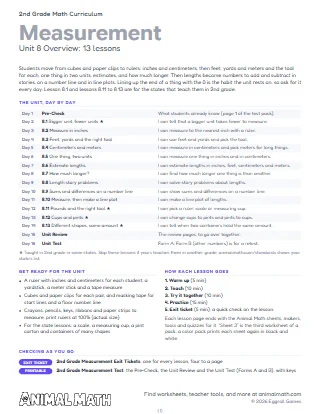
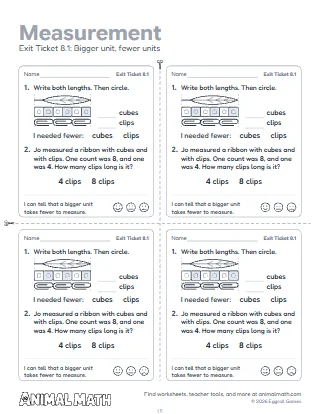
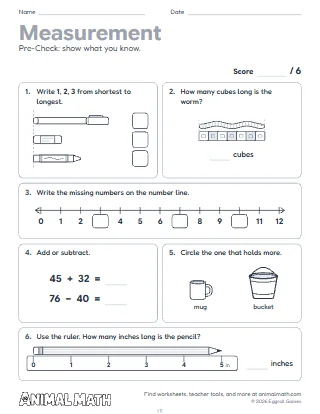
Students move from cubes and paper clips to rulers: inches and centimeters, then feet, yards and meters and the tool for each, one thing in two units, estimates, and how much longer. Then lengths become numbers to add and subtract in stories, on a number line and in line plots. Lining up the end of a thing with the 0 is the habit the unit rests on, so ask for it every day. Lesson 8.1 and lessons 8.11 to 8.13 are for the states that teach them in 2nd grade.
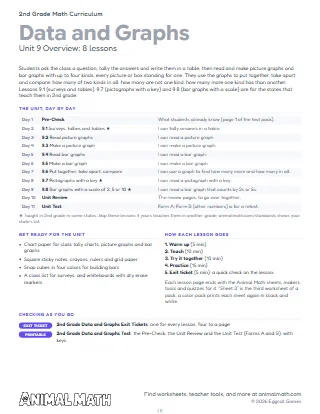
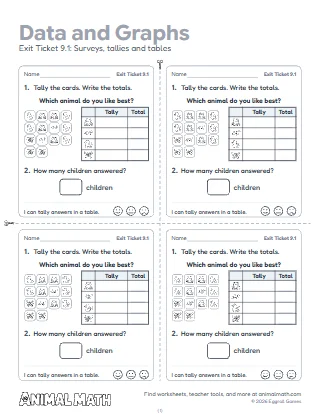
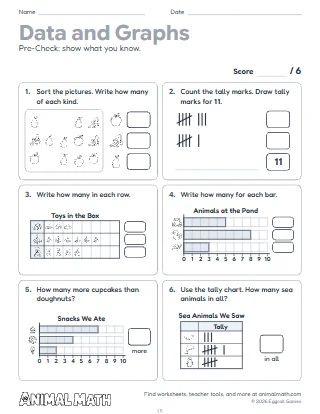
Students ask the class a question, tally the answers and write them in a table, then read and make picture graphs and bar graphs with up to four kinds, every picture or box standing for one. They use the graphs to put together, take apart and compare: how many of two kinds in all, how many are not one kind, how many more one kind has than another. Lessons 9.1 (surveys and tables), 9.7 (pictographs with a key) and 9.8 (bar graphs with a scale) are for the states that teach them in 2nd grade.
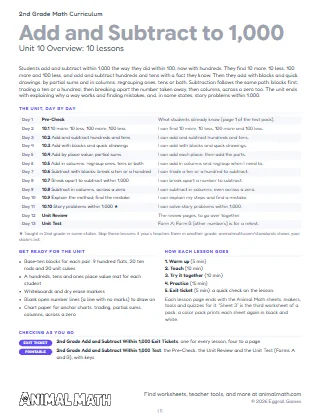
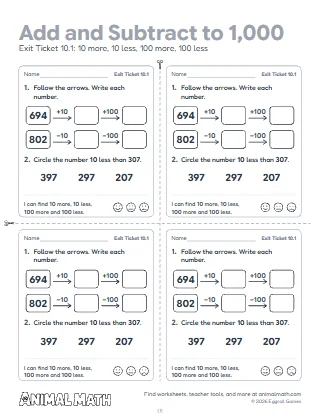
Students add and subtract within 1,000 the way they did within 100, now with hundreds. They find 10 more, 10 less, 100 more and 100 less, and add and subtract hundreds and tens with a fact they know. Then they add with blocks and quick drawings, by partial sums and in columns, regrouping ones, tens or both. Subtraction follows the same path: blocks first, trading a ten or a hundred, then breaking apart the number taken away, then columns, across a zero too. The unit ends with explaining why a way works and finding mistakes, and, in some states, story problems within 1,000.
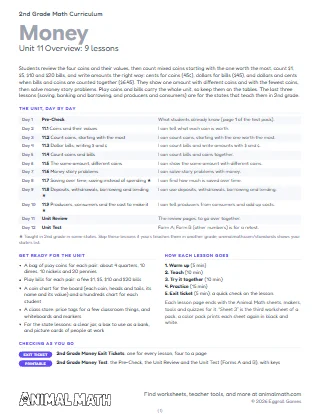
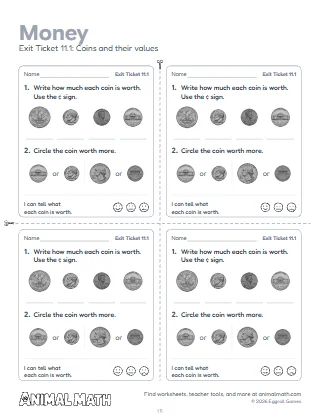
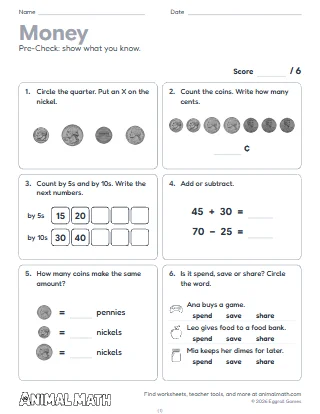
Students review the four coins and their values, then count mixed coins starting with the one worth the most, count $1, $5, $10 and $20 bills, and write amounts the right way: cents for coins (45¢), dollars for bills ($45), and dollars and cents when bills and coins are counted together ($6.45). They show one amount with different coins and with the fewest coins, then solve money story problems. Play coins and bills carry the whole unit, so keep them on the tables. The last three lessons (saving, banking and borrowing, and producers and consumers) are for the states that teach them in 2nd grade.
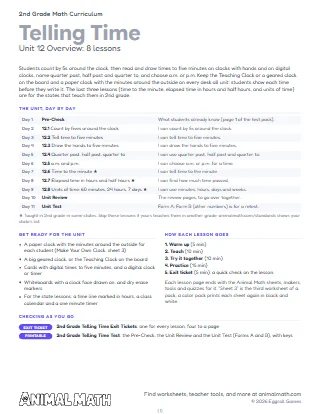
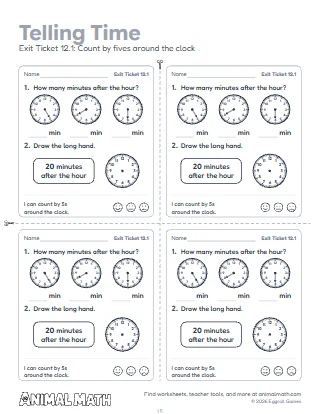
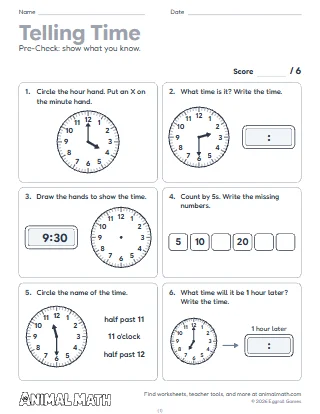
Students count by 5s around the clock, then read and draw times to five minutes on clocks with hands and on digital clocks, name quarter past, half past and quarter to, and choose a.m. or p.m. Keep the Teaching Clock or a geared clock on the board and a paper clock with the minutes around the outside on every desk all unit: students show each time before they write it. The last three lessons (time to the minute, elapsed time in hours and half hours, and units of time) are for the states that teach them in 2nd grade.
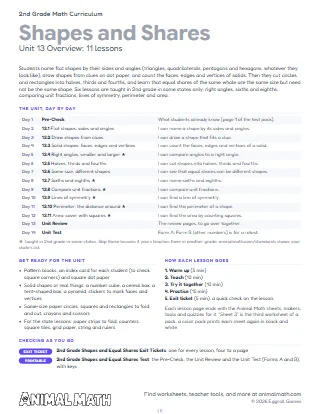
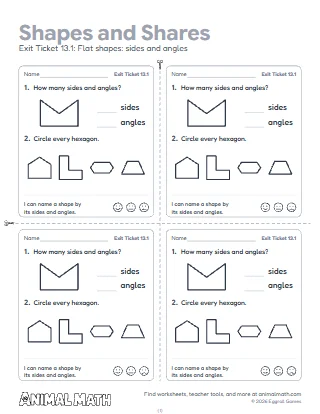
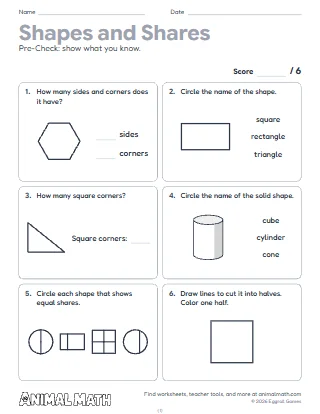
Students name flat shapes by their sides and angles (triangles, quadrilaterals, pentagons and hexagons, whatever they look like), draw shapes from clues on dot paper, and count the faces, edges and vertices of solids. Then they cut circles and rectangles into halves, thirds and fourths, and learn that equal shares of the same whole are the same size but need not be the same shape. Six lessons are taught in 2nd grade in some states only: right angles, sixths and eighths, comparing unit fractions, lines of symmetry, perimeter and area.
Lessons marked ★ are taught in 2nd grade in some states and in other grades elsewhere; skip them if your state does not teach them in 2nd grade (without them the year is 92 lessons, which leaves time to spend two days on the adding and subtracting lessons of Units 4, 5 and 10). Units 9, 11, 12 and 13 (data, money, time and shapes) can move, and money and time can be spread through the year.
Tell us which grade you want a curriculum for next.
Every lesson plan, exit ticket and unit test here is free to download and print for your classroom or your home school. You do not need an account, and the PDFs have no watermarks.